
71 Views· 11/04/26· Black History
ARETHA FRANKLIN: WHEN BEING BLACK AND LIVING YOUR LIFE BECAME GROUNDS FOR SUSPICION

ARETHA FRANKLIN: WHEN BEING BLACK AND LIVING YOUR LIFE BECAME GROUNDS FOR SUSPICION
Descendants of the Taken Ones
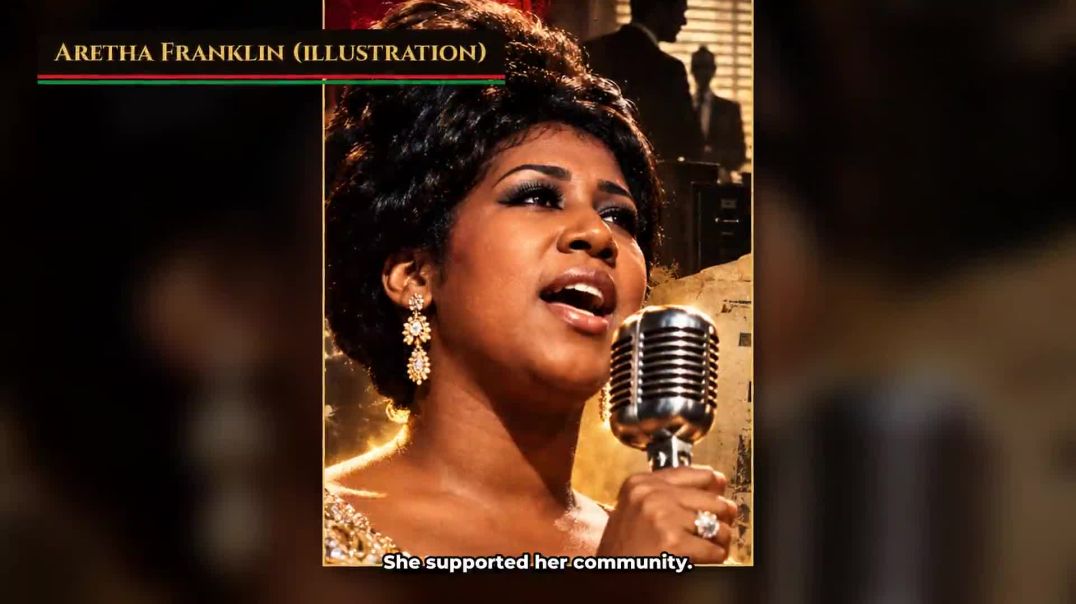
She sang. She worked. She supported her community. She stood beside people demanding equal rights.
And the FBI collected information about her.
Aretha Franklin’s publicly released FBI records—widely reported to be 270 pages—show how a celebrated Black woman’s friendships, performances, and civil rights commitments became subjects of federal scrutiny. The documents span 1967 to 2007, though that does not mean she was under continuous surveillance for forty years.
Consider what drew attention: appearing at civil rights events, knowing Martin Luther King Jr., and lending her voice to organizations fighting discrimination. Agents and informants recorded possible appearances at Southern Christian Leadership Conference conventions and examined connections to Black political organizations. A group’s interest in booking her could place her name in a report without establishing that she belonged to the group.
That is the disturbing question her file raises: How does a Black person live freely when ordinary relationships and public service can be construed as evidence of danger?
Franklin’s support for freedom was public. Nevertheless, investigators tried to link her to organizations they considered threatening. Reporting on the released records described scrutiny of her business dealings, including her Atlantic Records contract, while agents searched for possible Black Panther connections.
A contract could become an investigative lead. A friendship could become an association worth monitoring. A performance could become a security concern.
The file also contains something that deserves equal attention: in May 1973, informants reported no knowledge of her involvement in radical movements. A bureau memo found no evidence of her involvement in Black Liberation Army activities and recommended against interviewing her. Suspicion had produced paperwork; paperwork had not established wrongdoing.
Accuracy matters here. Some records concern threats and extortion directed at Franklin. Those documents describe a woman who needed protection. They should not be confused with records that scrutinize her political associations.
But that distinction clarifies the larger issue. A person can need protection from real threats while also facing unwarranted suspicion because of whom she knows and the causes she supports.
Aretha Franklin’s story exposes the burden of having to prove that an ordinary life is innocent. Supporting Black freedom should not require an explanation. Knowing an activist should not make someone dangerous. Fame should not be the price of protection, and a government file should never be mistaken for proof of guilt.
Her voice was hers. Her convictions were hers. Her dignity did not depend on an investigator’s approval.
Descendants of the Taken Ones remembering Aretha means remembering this too: Black people deserve the freedom to work, gather, speak, and care for their communities without those acts becoming grounds for suspicion. Thank you for your time. To support the channel. Please like, share, and subscribe, and pass this along to your family and friends. Remember: information kept to yourself is lost over time, but shared information becomes enduring knowledge. People who lose control of their history can be led to believe they never contributed anything.
#arethafranklin #queenofsoul #dtoa #descendantsofthetakenones #alkebulan #blackhistory #civilrights #fbi surveillance #blackvoices #freedomofexpression #respect #hiddenhistory #KnowYourHistory












0 Comments