
280 Views· 09/27/26· Black History
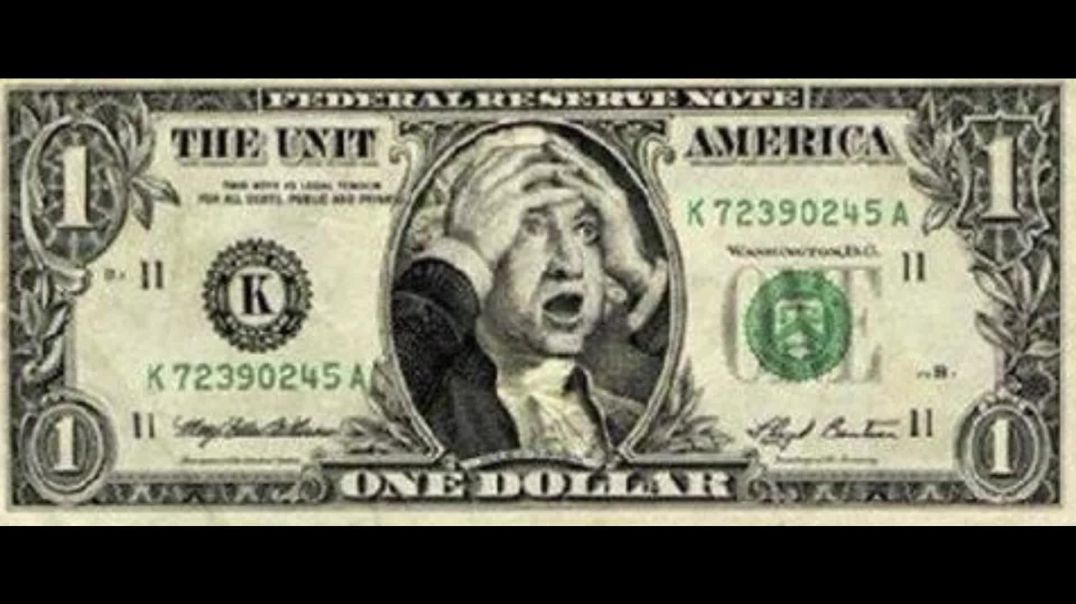
Is the Eagle on the Dollar Really an Egyptian Phoenix?

Is the Eagle on the Dollar Really an Egyptian Phoenix?
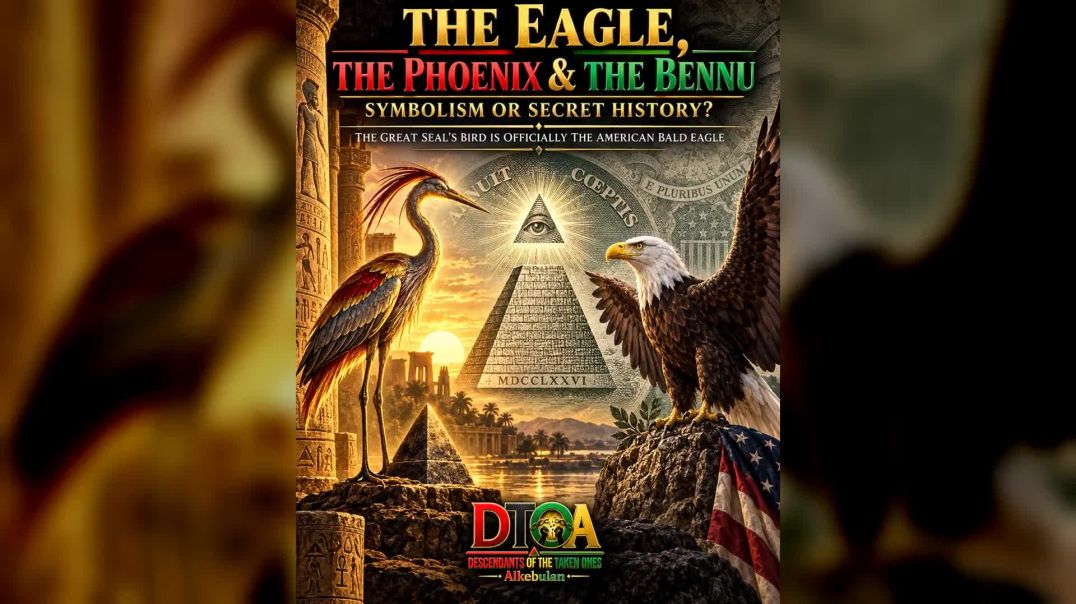
The theory that the eagle on the United States dollar bill is secretly a phoenix is among America’s most captivating tales of hidden symbolism. It links the Great Seal of the United States to the ancient Egyptian Bennu bird—a sacred symbol of creation, renewal, and resurrection. The connection is fascinating, but we must distinguish documented history from symbolic interpretation.
The Phoenix Theory
Esoteric writer Manly P. Hall popularized the belief that the bird on the Great Seal was originally intended to represent a phoenix. In his 1928 book, The Secret Teachings of All Ages, Hall argued that early versions of the seal depicted a long-necked, crested bird resembling a phoenix more than a bald eagle. Hall interpreted the phoenix as the perfect emblem for the new American republic: a nation rising from the remains of an older political order. However, an important correction is necessary. Hall was not yet a Freemason when he published the book in 1928. He reportedly joined Freemasonry in 1954 and received the honorary 33rd degree in 1973.
The Ancient African Bennu Bird
Long before the Greek phoenix appeared in classical literature, ancient Egyptians honored the Bennu bird. The Bennu was associated with Ra, Atum, Osiris, the rising sun, creation, and the renewal of life. Its name was linked to the Egyptian concept of rising or shining brilliantly. According to Egyptian creation traditions, the Bennu appeared over the primordial waters and rested on the sacred Benben—the first mound to emerge from chaos. Its cry announced the beginning of creation and the measurement of time.
Greek and Roman writers later linked Egypt’s Bennu traditions to the phoenix. Yet the two birds were not identical. The familiar story of a phoenix burning itself and rising from its ashes was largely developed outside the earliest surviving Egyptian accounts.
Reading the Dollar Through an Egyptian Lens
When the back of the dollar is read symbolically, several powerful parallels emerge: The unfinished pyramid can evoke Egypt, sacred architecture, endurance, and the Benben tradition. The radiant Eye of Providence can be compared to Egyptian solar-eye traditions. The eagle can be interpreted as a phoenix or a Bennu-like symbol of renewal.
Together, these images can be read as a story of creation: a sacred bird rising above chaos, a monumental structure nearing completion, and divine light watching over the birth of a new age. That is a meaningful interpretation—but it is not the Great Seal’s officially documented meaning.
What the Historical Record Shows
Congress adopted the Great Seal on June 20, 1782. Charles Thomson, secretary of the Continental Congress, described the central bird as an “American bald Eagle.” His written explanation presented it as a symbol of sovereignty, strength, and independence. The National Archives preserves the original design and documentation.
The claim that Benjamin Franklin and Thomas Jefferson proposed a phoenix is also unsupported. Their committee considered biblical, historical, and heraldic imagery, but the surviving proposal omitted a phoenix. Congress ultimately rejected the committee’s design.
The pyramid was officially described as symbolizing strength and endurance, while its unfinished state suggested the nation was still under construction. The eye above it is the Eye of Providence—not the Egyptian Eye of Ra. Early engravings sometimes depicted awkward-looking eagles because the seal was recreated by different artists. That inconsistency does not prove that officials secretly replaced a phoenix with a bald eagle.
DTOA Conclusion
The bird on the dollar is officially and historically a bald eagle. There is no surviving government evidence that it was designed as a disguised Egyptian Bennu or phoenix. Nevertheless, the comparison reveals something important: ancient African civilizations developed powerful symbols of creation, cosmic order, divine authority, resurrection, and national endurance thousands of years before the United States was founded.
The Bennu-to-phoenix-to-American-eagle connection should therefore be presented as a compelling symbolic interpretation rather than as established historical fact.
Whether seen as an eagle defending a republic or a phoenix rising from the ashes, the bird carries a timeless message:
Descendants Of The Taken Ones. The message is that nations, like people, can rise from adversity, but renewal must be earned, safeguarded, and completed. This country is still in the earning stage, and it needs to be safeguarded.
Thank you for your time. To support the channel. Please like, share, and subscribe, and pass this along to your family and friends. Remember: information kept to yourself is lost over time, but shared information becomes enduring knowledge. People who lose control of their history can be led to believe they never contributed anything.

















2 Comments
cliprize
14 days agoJOSEPH ELISHA
19 days ago