
50 Views· 10/24/26· Black History
Henrietta Williams Foster: The Black Cowgirl Known as “Aunt Rittie”

Henrietta Williams Foster: The Black Cowgirl Known as “Aunt Rittie”
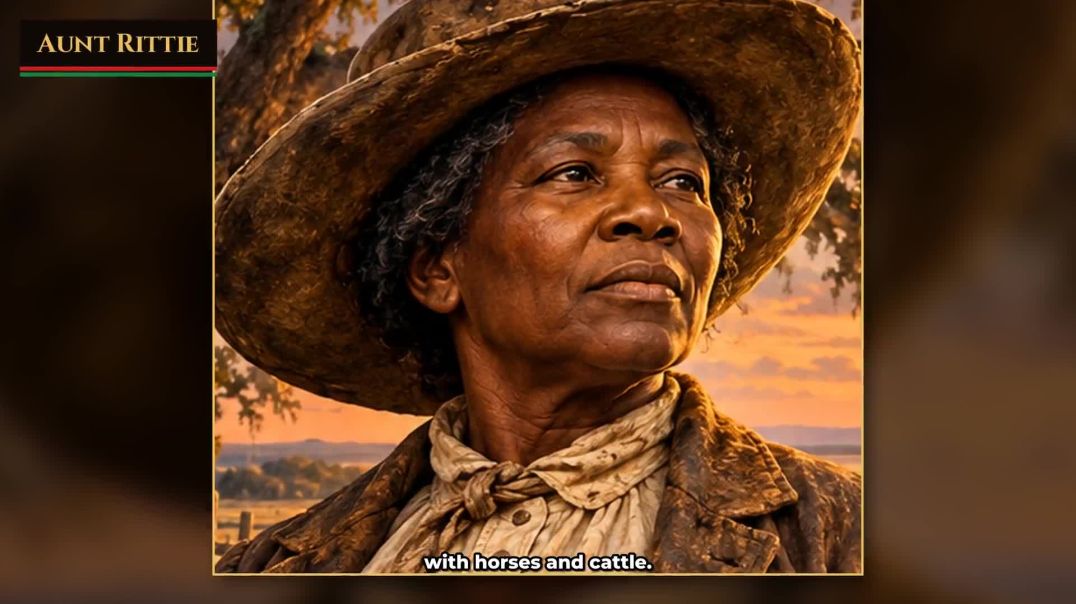
Henrietta Williams Foster earned a place in Texas ranching history for her skill with horses and cattle. Remembered as “Aunt Rittie,” she worked in the Texas Coastal Bend, including Refugio County, where accounts describe a determined Black woman capable of handling the demanding work of male cowhands. essence.com
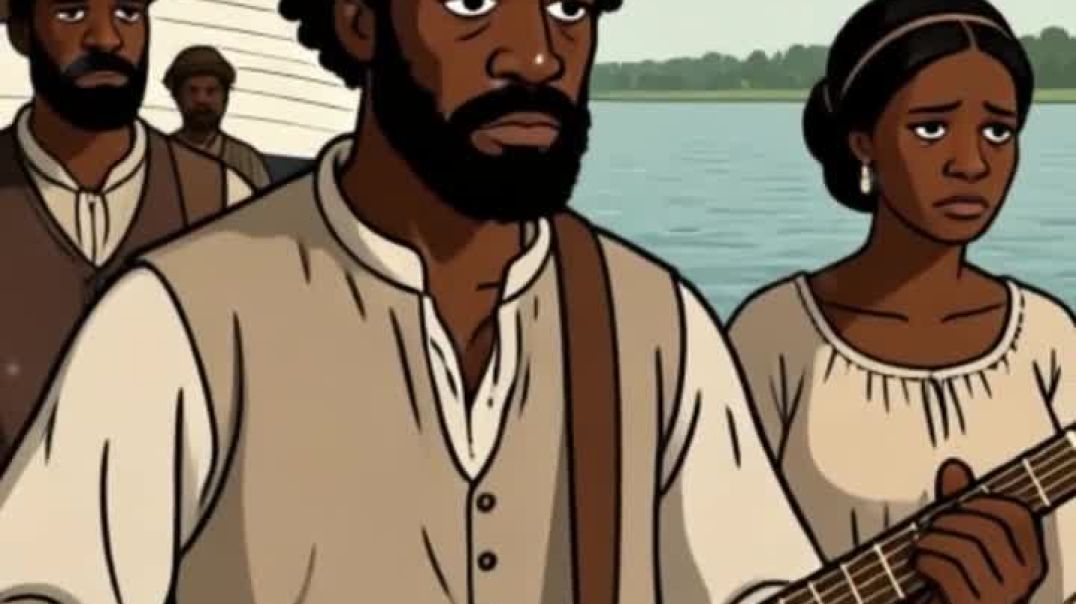
Born enslaved in Mississippi, Foster was taken to Texas by her enslaver. Historical accounts remember her as an accomplished rider who worked cattle while also handling fieldwork, domestic labor, and child-rearing. After emancipation, she reportedly owned her own home and cattle—a meaningful measure of independence for a woman whose early life had been spent in bondage. digpodcast.org
Her story belongs to the working history of the West: the daily labor of managing livestock and sustaining ranch communities. The strength and knowledge required by that work made women such as Foster essential participants in Texas cattle culture.
Foster’s life is the subject of historian Louise S. O’Connor’s chapter, “Henrietta Williams Foster, ‘Aunt Rittie’: A Cowgirl of the Texas Coastal Bend,” in Black Cowboys of Texas, edited by Sara R. Massey and published by Texas A&M University Press in 2000. The University of Texas’s Briscoe Center lists that chapter among its African American history resources. briscoecenter.org
That historical recognition matters. Black women helped build the American West through their labor, expertise, and pursuit of independence. Henrietta Williams Foster deserves a place in that story.
Descendants of the Taken Ones, her legacy speaks to the generations who emerged from slavery and worked to build lives they could call their own. Thank you for your time. To support the channel, please like, share, and subscribe, and pass this along to your family and friends. Remember: information kept to yourself is lost over time, but shared information becomes enduring knowledge. People who lose control of their history can be led to believe they never contributed anything.
















0 Comments