
237 Views· 09/01/26· Re-Education
THE HORRIFYING TRUTH ABOUT HUMAN LEATHER WHEN BLACK BODIES WERE TREATED AS MATERIAL

THE HORRIFYING TRUTH ABOUT HUMAN LEATHER WHEN BLACK BODIES WERE TREATED AS MATERIAL
Descendants of the Taken Ones
This history is disturbing—but it must be told accurately.
During slavery and the decades following emancipation, Black Americans were not only exploited while alive. In certain documented and reported cases, their bodies were desecrated after death. Their remains were taken for medical dissection, displayed as specimens, kept as souvenirs, and allegedly used to produce objects made from human skin. One of the most frequently cited accounts appeared in the Philadelphia News and was reprinted on March 17, 1888, under the headline "Leather From Human Skin."
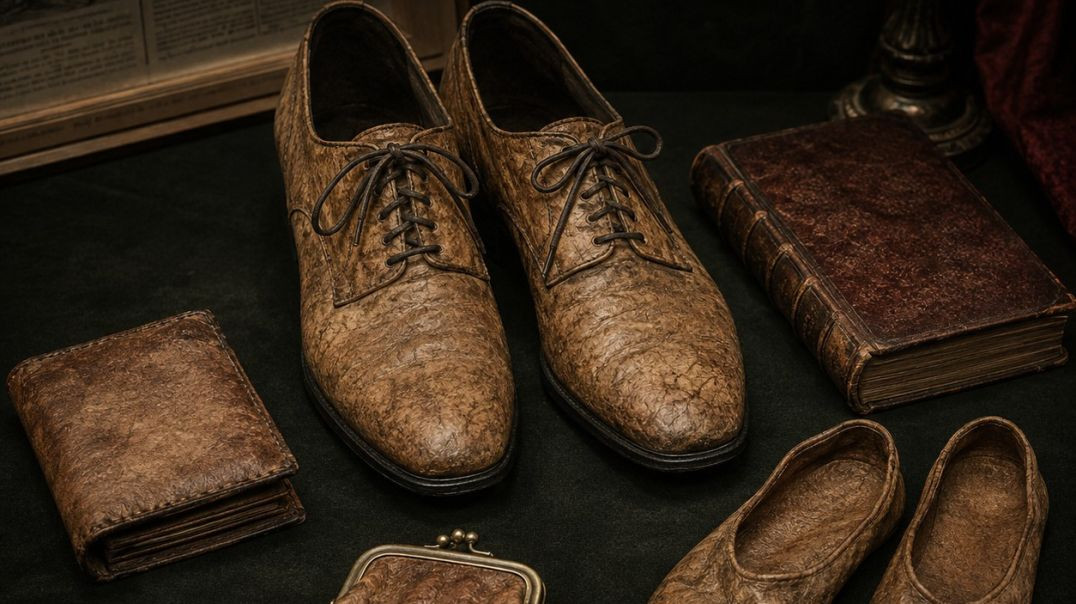
The report described a prominent Philadelphia physician who allegedly wore shoes made from the skin of deceased Black people. According to the article, the physician claimed that human skin produced exceptionally durable and flexible leather. The report further alleged that skin obtained from medical dissection rooms had been sent to a tannery and made into shoes and other personal items.
This report appeared 23 years after the abolition of slavery. Therefore, it should not be described simply as a plantation practice. It belongs to the broader history of racial dehumanization that began under slavery and continued through the medical exploitation, grave robbing, lynching, and racial terror of the Jim Crow era. Medical schools created a particularly horrifying environment for this abuse. During the nineteenth century, medical institutions needed bodies for anatomical study. Because legally available cadavers were limited, grave robbers—sometimes called "resurrectionists"—stole bodies from cemeteries. Black burial grounds and the graves of poor people were frequently targeted because those responsible assumed their families lacked the political power to resist.
Black bodies could consequently be treated as medical property without consent. After dissection, organs, bones, skin, and other remains were not always buried respectfully. Some were preserved as teaching specimens, while written accounts indicate that human skin was occasionally fashioned into items such as wallets, purses, book coverings, slippers, or shoes. The 1888 newspaper story is historical evidence that people openly discussed and reported this practice. However, it is not the same as modern forensic verification. No large collection of scientifically authenticated clothing made from the skin of enslaved Black people has been discovered. The facts support a careful conclusion: There is credible historical evidence that the skin of deceased Black people was occasionally used to create shoes and other objects. However, there is no evidence that this was a widespread industry or a routine method of producing clothing during slavery.
The distinction matters. Repeating the story without qualification can transform a horrifying but apparently rare practice into an unsupported claim about mass production. Rejecting the entire account as an urban legend, however, ignores the documented history of medical abuse and the extreme desecration of Black bodies. The most important truth is larger than any single pair of shoes. American slavery reduced human beings to property. That belief did not disappear when slavery legally ended in 1865. It survived in medical institutions, segregated hospitals, stolen graves, racial experimentation, public lynchings, and the collection of Black body parts as trophies. From the reported treatment of Nat Turner's remains to the grave robbing of Black cemeteries and the unauthorized use of Black patients in medical research, the same message was repeated: Black people supposedly possessed no final authority over their own bodies—not even after death.
Yet these people were not objects, specimens, trophies, or raw material. They were human beings. They had names, families, communities, beliefs, and descendants. Their bodies deserved the same dignity in death that was denied to them in life. We remember this history not to sensationalize Black suffering, but to confront the full depth of the system that produced it. Historical truth requires us to distinguish what is verified, what was reported, and what remains uncertain—while refusing to minimize the cruelty that the surviving evidence reveals. Their bodies were exploited. Their dignity was violated. But their humanity can never be erased. We are the Descendants of the Taken Ones—and we will tell the stories others would rather leave buried. To support the channel, please click the like button and subscribe to receive new videos
Historical source: The Jim Crow Museum of Racist Memorabilia at Ferris State University, "Human Leather," incorporating the 1888 newspaper account "Leather From Human Skin" (Trove/National Library of Australia). Additional corroboration: JSTOR Daily on grave robbing of Black cemeteries; Wikipedia on Nat Turner's remains; National Geographic on the return of Nat Turner's skull.


















1 Comments
cliprize
8 days ago