
319 Views· 06/13/26· Film & Animation
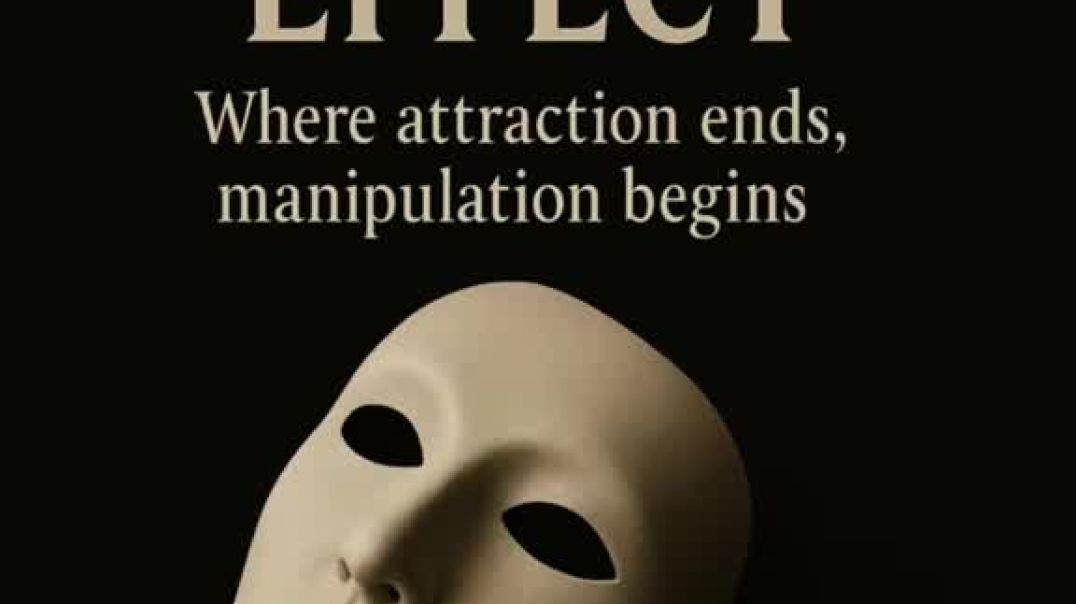
The Representative Effect

Here’s a sneak peek.
CHAPTER 1 — THE AUDITION
Part 1: The Performance Begins
It starts with timing. The perfect text at the perfect hour. “Good morning, just thinking about you.” You feel seen—finally. But this isn’t connection. It’s choreography. Every word is a line rehearsed in a mirror. Every pause, every sigh, every “I get you” is strategy. You’re not falling in love—you’re being cast.
They study your body language like a script. They know when to touch your shoulder, when to look away, when to say the things you’ve waited years to hear. You think it’s fate, but it’s fishing. And you, the beautiful soul craving truth, become the stage.
The performance begins long before you realize you’re the audience. They’re not trying to know you—they’re trying to mold you. Every compliment, every “you deserve better,” is just bait for access. They don’t crave your heart—they crave your influence, your calm, your light.
The audition isn’t theirs—it’s yours. They’re testing how much you’ll give, how far you’ll bend, how deep you’ll sink to keep the act alive. And when you finally catch the pattern, it’s too late—you’ve already given them your applause.
Part 2: Perfectly Flawed
They love your cracks, not because they want to heal them—but because it’s where they can crawl in. Your vulnerability becomes their entry point. They praise your empathy, your softness, your strength after trauma—but only because they can weaponize it later. You mistake validation for value, not realizing they’re taking notes while pretending to understand.
They’ll say things like, “You deserve more,” but what they mean is, “You’re ready to give me everything.” They’ll mirror your morals, mimic your habits, copy your slang, your goals, your tone—until you start believing you’ve found your reflection.
But the reflection isn’t real. It’s a performance—a distortion. They’re perfect until you need them. Then suddenly, your emotions are “too much.” Your questions are “crazy.” Your intuition becomes “insecurity.” And somehow, you’re the one apologizing for seeing the truth.
They romanticize your damage because it makes you easier to manage.
They convince you that your heart is safest in their hands, but they only hold it to squeeze.
And the most dangerous part? You start to think the pain means passion.
That’s how they win—by convincing you that suffering feels like love.
Part 3: The Charm That Feeds
Charm isn’t kindness—it’s camouflage.
They glide through conversations like magicians, turning words into smoke screens. They’ll compliment your spirit, then subtly shift the topic toward your weaknesses. They’ll ask deep questions just to harvest your answers for later ammunition. Their interest feels intimate—but it’s inventory.
Every “baby, you can trust me” is a deposit into your emotional account. And while you’re opening up, they’re calculating returns. The moment they feel your attachment, they relax. The act is working. The feed begins.
They’ll start slow—small withdrawals of peace. A jab disguised as a joke. A guilt trip dressed as love. You’ll dismiss it, thinking you’re being understanding. But every laugh-through-the-hurt is them measuring how much pain you’ll excuse.
Charm is their weapon because it disarms you. It makes you forget your boundaries. It makes toxicity feel tender. They don’t argue—they narrate. They don’t apologize—they reframe.
And when you start questioning what’s real, they’ll drown you in nostalgia: “Remember how good it was in the beginning?”
You’ll remember, alright—but the beginning was just bait.
Charm was the rope.
Now you’re tangled in it.
Part 4: The Study of You
They don’t love you—they profile you.
Your favorite songs, your fears, your first heartbreak—they file it all away like evidence. Every trauma becomes a tool. Every confession becomes currency. You think they’re connecting, but they’re cataloging.
They remember what your father never said, what your ex did wrong, what your insecurities whisper in the dark. And they weaponize it in subtle doses.
They’ll make you feel safe enough to open your scars—and then use those scars to steer you. “You’re not like other people,” they’ll say, right before they remind you how “sensitive” you are.
They’ll build you up just to measure how hard they can break you.
It’s not love—it’s leverage.
You are the project. The prototype. The mirror they polish until it stops showing them their own ugliness.
But every manipulator forgets one truth: mirrors reflect back what they project.
The study of you will become their undoing. Because once you realize you were never broken, only baited, their entire playbook turns to ash.
They built a mask out of your empathy—but your awareness burns hotter than their deceit.
And awareness? That’s where your freedom begins.
Part 5: The Hook and the Halo
By now, you’ve mistaken the hook for a heartbeat.
They’ve fed you crumbs of affection so consistently that starvation starts to taste like devotion. You crave their approval, not realizing it’s the drug they designed for you. One minute, you’re their everything. The next, you’re invisible.
That’s the hook—the push and pull, the chaos that feels like chemistry.
And just when you’re ready to leave, they’ll flash the halo. The apology. The tears. The “I can’t lose you.” It’s not redemption—it’s retention.
They don’t fear losing you—they fear losing control of you.
So they’ll pray when you threaten to leave. They’ll quote scripture. They’ll promise therapy. They’ll use your empathy against you until guilt starts to sound like loyalty.
You’ll question your worth, your sanity, your memory. But the truth is, you’re not crazy—you’re caught.
And the halo isn’t holy. It’s hardware.
A hook with shine.
A cage with comfort.
A performance dressed as love.
But what they didn’t expect is this moment—right now—where you finally see through the act.
The lights shift. The illusion fades.
The mask drops.
And the real show—the awakening—begins.







0 Comments