

42 Views· 10/09/26· Black History
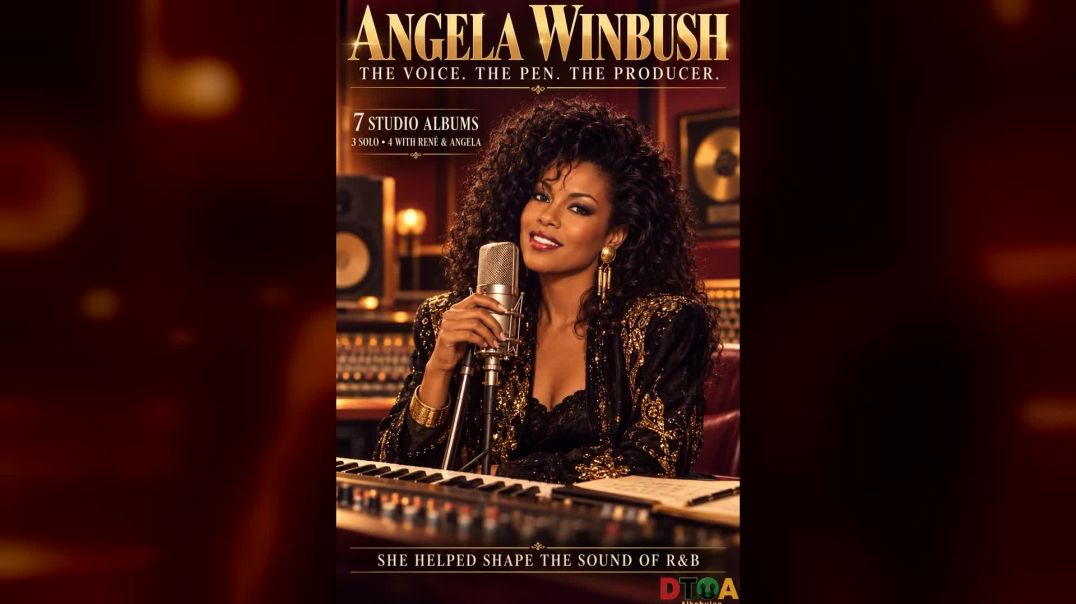
ANGELA WINBUSH — THE VOICE. THE PEN. THE PRODUCER.

ANGELA WINBUSH — THE VOICE. THE PEN. THE PRODUCER.
Before audiences knew “Angel,” “Your Smile,” or “I’ll Be Good,” Angela Winbush was a young woman from St. Louis developing a gift that would help shape the sound of R&B.
Born January 18, 1955, she began singing in church and graduated from Northwest High School in St. Louis, Missouri. She then attended Howard University in Washington, D.C., initially studying architecture before switching to music education. While at Howard, she sang with gospel musician Richard Smallwood and performed with a group called Hot Tea. Her education and musical experiences helped prepare her for a career that reached far beyond performing.
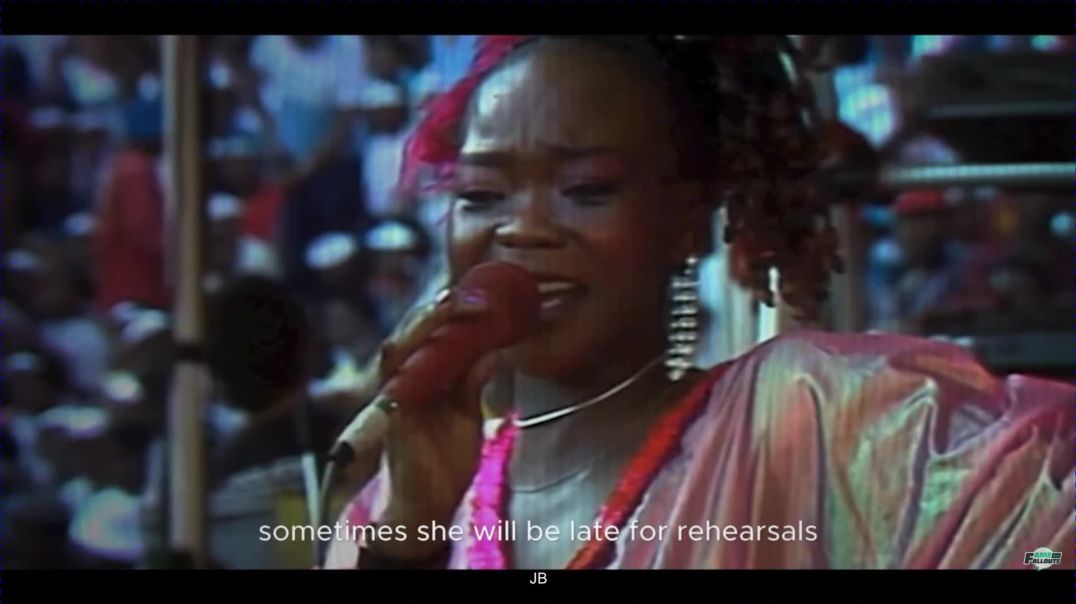
Her journey eventually took her into Stevie Wonder’s backing group, Wonderlove, where she gained experience in songwriting and arranging. She brought that knowledge into her partnership with René Moore, becoming one half of René & Angela. Together, they created records remembered for their powerful vocals, rich harmonies, and unmistakable grooves.
Their catalog included “Your Smile,” “Save Your Love (For #1),” “I’ll Be Good,” and “You Don’t Have to Cry.” Both “Your Smile” and “Save Your Love (For #1)” reached No. 1 on the R&B chart.
Winbush released seven studio albums as a recording artist: four with René & Angela and three solo albums.
The duo’s albums were René & Angela (1980), Wall to Wall (1981), Rise (1983), and Street Called Desire (1985). Her solo albums were Sharp (1987), The Real Thing (1989), and Angela Winbush (1994). This total excludes compilations and albums by other artists on which she worked.
With Sharp, Winbush established her own solo identity. “Angel” reached No. 1 on the R&B chart, placing her name at the center of a success she helped create.
Her influence also flowed through other voices. She helped write and produce songs for Janet Jackson, and her songwriting, arranging, and production work extended to Stephanie Mills, the Isley Brothers, and Lalah Hathaway. In an industry where relatively few women held successful production careers, Winbush demonstrated the breadth of a Black woman’s musical authority.
For Descendants of the Taken Ones, her story deserves to be remembered in its fullness: the student at Howard, the church singer, the keyboardist, the songwriter, the producer, and the commanding voice. Angela Winbush helped create the music generations fell in love with. Her name belongs beside the sound.
Thank you for your time. To support the channel. Please like, share, and subscribe, and pass this along to your family and friends. Remember: information kept to yourself is lost over time, but shared information becomes enduring knowledge. People who lose control of their history can be led to believe they never contributed anything








0 Comments