
193 Views· 09/09/26· Black History
THE BLACK BUSINESSMEN WHO TURNED THEIR TOWN INTO A GATEWAY TO FREEDOM

THE BLACK BUSINESSMEN WHO TURNED THEIR TOWN INTO A GATEWAY TO FREEDOM
Stephen Smith, William Whipper, and Columbia, Pennsylvania’s Underground Railroad
Descendants of the Taken Ones
Along the Susquehanna River stood Columbia, Pennsylvania—a prosperous transportation center just miles north of the Maryland border. For freedom seekers escaping slavery, Columbia could be the first major gateway into Pennsylvania. But reaching a free state did not guarantee safety. Slave catchers, kidnappers, and federal law still threatened anyone who had escaped bondage. Freedom required more than crossing a state line. It required transportation, property, money, trusted contacts, and the courage to challenge the slave system.
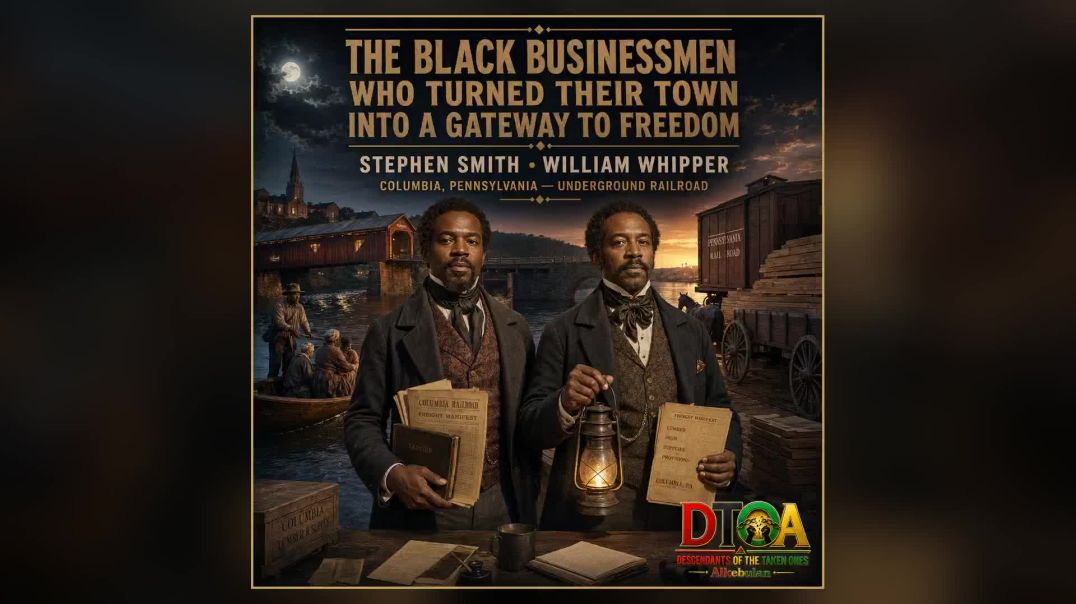
Two of Columbia’s most important defenders were Black businessmen Stephen Smith and William Whipper. They did more than donate to the abolitionist movement. They used their commercial empire as part of the Underground Railroad network. Stephen Smith: From Indentured Servant to Business Leader. Stephen Smith was born in Pennsylvania around 1795. As a child, he was placed in indentured service to lumber merchant Thomas Boude in Columbia.
Smith learned the lumber business and eventually purchased his freedom by paying the remaining terms of his indenture. He established his own lumber enterprise and became one of the most successful Black businessmen in 19th-century America. His wealth did not shield him from racism. In 1834, a white mob attacked Columbia’s Black community and destroyed Smith’s office and records. Smith rebuilt. He expanded his lumber, coal, railroad, and real-estate interests and used his resources to support Black churches, education, civil rights, and abolition. He later became associated with the founding of institutions serving elderly and disadvantaged Black Philadelphians. Smith understood that economic power could be a weapon against oppression.
William Whipper: Business as a Freedom Network
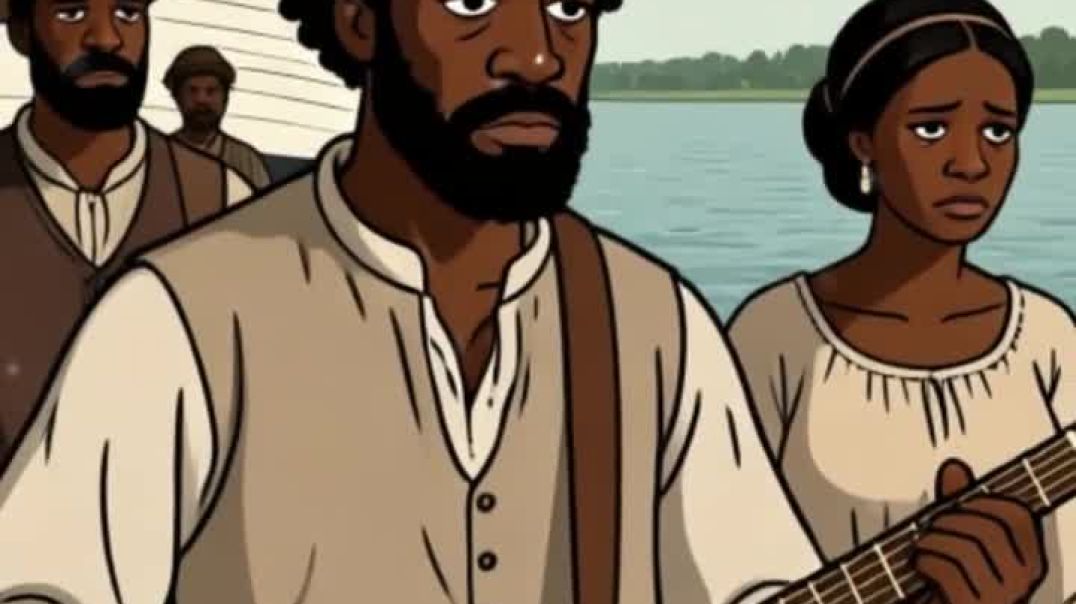
William Whipper was born in Lancaster County, Pennsylvania, in 1804. He became active in Black political organizing, moral reform, and the national abolitionist movement. Whipper settled in Columbia in the 1830s and became Smith’s business partner. In 1836, he married Smith’s daughter Harriet, linking the two men through both family and enterprise. Together, Smith and Whipper built a major lumber business. Their operations connected Columbia with Philadelphia and other markets via canals, roads, rail lines, warehouses, boats, and railroad cars. Those same commercial connections could carry something far more valuable than lumber. They could carry human beings toward freedom. A Town Positioned Between Slavery and Freedom Columbia stood at a critical crossing of the Susquehanna River. Freedom seekers traveling north from Maryland could cross the river from York County into Lancaster County. Black boatman Robert Loney—also recorded as Robert Loonee—reportedly transported freedom seekers across the Susquehanna at night before passing them into Columbia’s abolitionist network.
Once inside the town, freedom seekers could receive food, shelter, clothing, information, and transportation. From Columbia, routes extended east toward Lancaster and Philadelphia, north through central Pennsylvania into New York, or west toward Pittsburgh and other destinations. Some continued to Canada, especially after the Fugitive Slave Act of 1850 made even free Black communities in Northern states more dangerous.
Railcars Carrying People to Freedom
Smith and Whipper had something most abolitionists lacked: direct access to commercial transportation. The National Park Service recognizes their Columbia operation as part of its Underground Railroad Network to Freedom. Historical research indicates that railroad boxcars linked to their business were used to transport freedom seekers.
Whipper reportedly owned a railroad car with a concealed compartment. A person hidden inside could be transported along the same commercial routes used to ship lumber and other goods. Business documents and freight movements provided cover. Employees, boat operators, wagon drivers, railroad workers, church members, and abolitionist contacts helped build a network that slave catchers could not easily trace.
The system succeeded because it did not depend on a single heroic individual. It relied on a disciplined community willing to share risk. Black Entrepreneurship as Resistance. The Underground Railroad is often portrayed as a series of secret rooms maintained primarily by sympathetic white Quakers. White abolitionists—including members of Columbia’s Quaker community—did play important roles. But that incomplete image can obscure the leadership of free Black people. Black entrepreneurs provided money, property, employment, transportation, intelligence, and trusted connections. Black families opened their homes. Black church members collected supplies. Black boatmen crossed rivers at night. Black vigilance organizations monitored kidnappers and coordinated movement between towns. Smith and Whipper demonstrated that a Black-owned enterprise could serve as both a profitable business and an instrument of liberation.
Their lumberyards created wealth. Their transportation holdings created mobility. Their relationships created secrecy. Their commitment turned those resources into a pathway toward freedom. The danger did not end in Pennsylvania. Under the Fugitive Slave Act, people accused of escaping slavery could be seized in Pennsylvania and returned south. Those who assisted them risked fines, arrest, business losses, and violence. Free Black residents also faced kidnapping. A slave catcher could falsely claim that a free person was a fugitive, remove that individual from the state, and sell them into slavery.
Smith, Whipper, Loney, and their allies operated in a society where helping another person gain freedom could result in federal prosecution or mob retaliation. They continued anyway.
During the Confederate invasion of Pennsylvania in June 1863, Union forces and local defenders burned Columbia’s covered bridge across the Susquehanna to prevent Confederate troops from crossing from Wrightsville. The destruction helped keep Confederate forces from entering Lancaster County. It also carried enormous symbolic meaning: the bridge that had helped freedom seekers cross into Columbia was sacrificed to prevent an army defending slavery from advancing farther east.
Their Enduring Legacy. Stephen Smith and William Whipper became wealthy in a country that sought to deny Black Americans property, education, political rights, and economic independence. They transformed their success into resistance. They proved that abolition was not only about speeches, petitions, or moral arguments. It also required logistics—the ability to move, hide, feed, employ, finance the journeys of, and connect people with the next trusted station. Smith and Whipper did not simply build a lumber empire in Columbia. They built infrastructure to carry enslaved people away from bondage. Their story reminds us that Black entrepreneurship has never been only about personal wealth. At its most powerful, it has built institutions, protected communities, financed resistance, and opened roads to freedom.
We are the Descendants of the Taken Ones, and we honor Stephen Smith, William Whipper, Robert Loney, and the Black community of Columbia, Pennsylvania—the people who transformed a river town into a gateway to freedom.
Sources
• National Park Service — Network to Freedom Listings
• Pennsylvania Historic Preservation — The Underground Railroad in Columbia
• Susquehanna National Heritage Area — William Whipper
• Columbia Historic Preservation Society — Stephen Smith
• LancasterHistory — The Underground Railroad
• National Park Service — Resistance to Slavery in Maryland


2 Comments
cliprize
16 days agoJOSEPH ELISHA
1 month ago