

142 Views· 09/03/26· Black History
SAGGING PANTS The Truth Behind the Style

SAGGING PANTS
The Truth Behind the Styles
Sagging—the practice of wearing pants below the natural waist, sometimes exposing the waistband of the underwear—became one of the most recognizable and controversial fashion statements associated with American youth culture.
For decades, people have repeated disturbing stories about what the style supposedly means. Some say it began as a sexual signal inside prisons. Others claim enslaved Black men were forced to wear their pants low after being sexually assaulted.
Those claims are frequently repeated online, but repetition is not proof.
The documented history is more complicated. Sagging appears to have developed from a mix of institutional clothing practices, oversized street fashion, hip-hop, skate culture, commercial advertising, and youthful rebellion.
Did Sagging Begin in Prison?
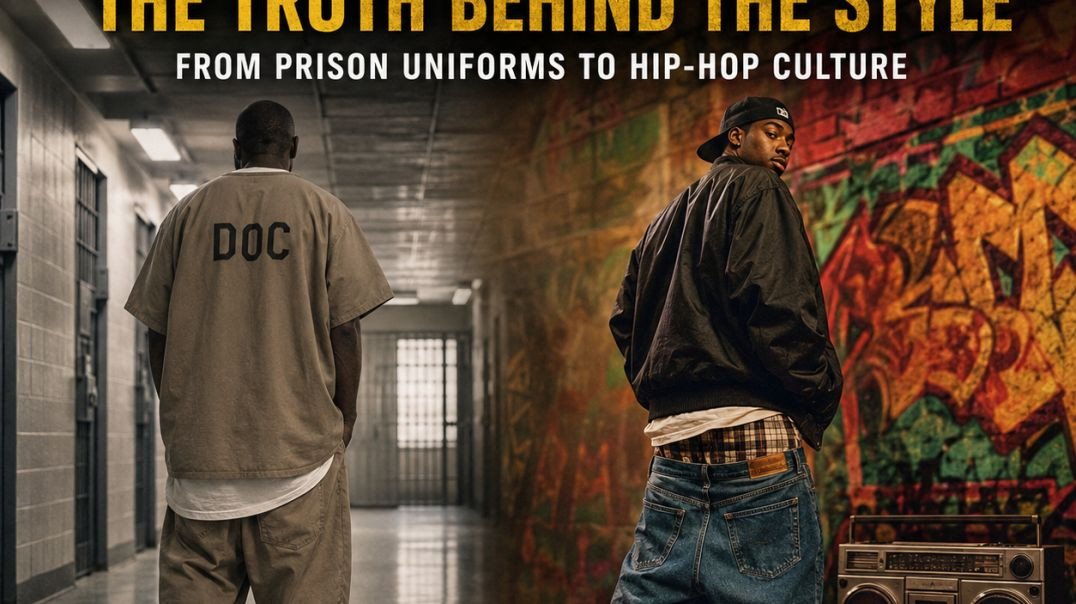
The most widely cited explanation connects sagging to the American prison system.
Correctional institutions have often restricted or prohibited belts because they could potentially be used as weapons, escape tools, or instruments of self-harm. Prisoners could also receive standard-issue clothing that did not fit properly. Without belts, oversized pants could naturally slip below the waist.
Men returning home from prison may continue to wear loose clothing in a similar manner. The look could also be associated with incarceration, toughness, or survival within communities deeply affected by imprisonment.
This explanation is plausible and appears in numerous histories of the style. However, researchers have not identified one specific prison, person, or documented moment when accidental sagging became an intentional fashion movement.
It is therefore more accurate to say that prison clothing practices were a likely influence, rather than declaring that sagging has one definitively proven prison origin.
Hip-Hop Turned It Into Fashion
Whatever its earliest influences, sagging became a deliberate and highly visible style through hip-hop and street culture during the late 1980s and 1990s.
Baggy clothing already carried several meanings. It rejected the fitted, conservative appearance expected by mainstream society. Oversized clothes allowed dancers and skateboarders freedom of movement. They could conceal body shape, display expensive underwear, or communicate membership in a particular youth culture.
Rappers, dancers, athletes, skateboarders, and music-video performers carried the look into popular culture. Young people across the country adopted oversized jeans, long shirts, sports jerseys, hooded sweatshirts, and pants worn below the waist.
Kris Kross became famous for wearing oversized clothing backward. Other hip-hop artists helped establish loose clothing as part of the visual language of rap. Basketball uniforms were becoming longer and baggier, reinforcing the broader shift away from tight athletic clothing.
By the 1990s, sagging was no longer simply the result of pants that did not fit. For many young people, it had become an intentional fashion statement.
The Sexual-Signal Story Is a Myth
A persistent rumor claims that prisoners wore their pants low to announce sexual availability to other incarcerated men.
Fact-checkers have found no credible documentation establishing this as the origin or recognized meaning of sagging. The story appears to be an urban legend that became popular after the fashion was already widespread.
The rumor has often been repeated as a scare tactic intended to embarrass young men into pulling up their pants. It also relies upon stereotypes about sexual violence and homosexuality in prison.
Prison sexual abuse is a serious subject. It should not be transformed into folklore or used to shame people over their clothing.
Sagging is not documented as a universal prison code for sexual availability.
The Slavery-Origin Claim Is Also Unsupported
Another viral story alleges that slaveholders sexually assaulted enslaved Black men and forced them to wear their pants low so they could be identified for further abuse.
Sexual violence against enslaved men did occur and deserves serious historical study. However, no credible archival evidence or recognized scholarship establishes sagging pants as a coded clothing practice created through that abuse.
The modern slavery-origin story largely appears on blogs, social media posts, and motivational pages rather than in documented historical research.
Connecting sagging to slavery without evidence does not honor the victims of slavery. It risks turning their suffering into a sensational origin story that historians cannot substantiate.















2 Comments
cliprize
9 days agoJOSEPH ELISHA
1 month ago