
242 Views· 09/08/26· Film & Animation
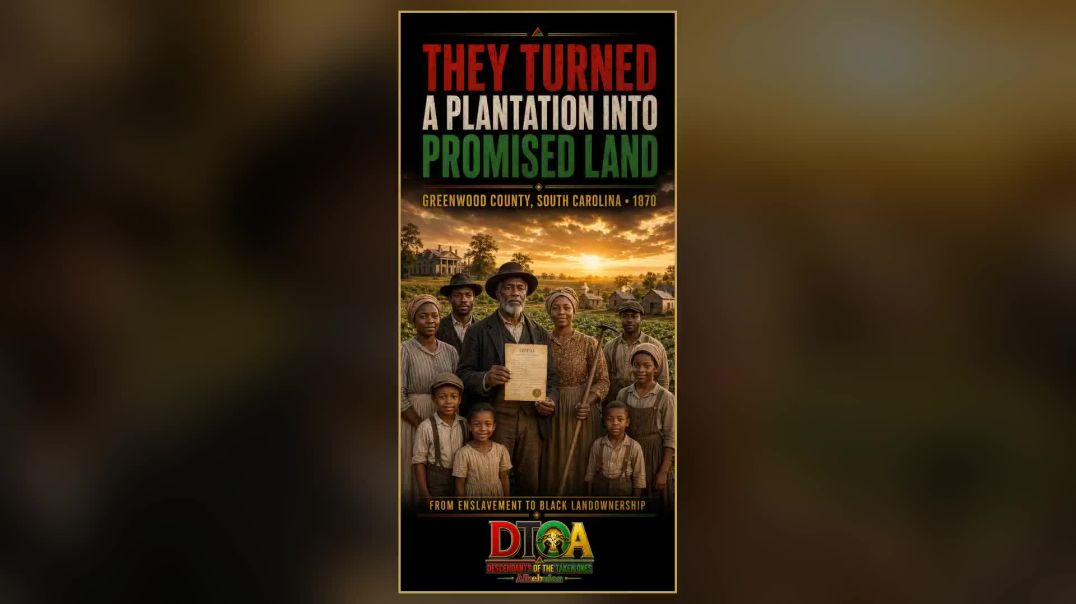
THE FREED FAMILIES WHO TURNED A PLANTATION INTO PROMISED LAND
THE FREED FAMILIES WHO TURNED A PLANTATION INTO PROMISED LAND
Greenwood County, South Carolina — 1870
Descendants of the Taken Ones
In the years immediately after the Civil War, formerly enslaved people across the South understood that emancipation without land could leave them dependent on the same plantation system that had once claimed ownership of their bodies.
Near Greenwood, South Carolina, Black families pursued something revolutionary: land of their own. They transformed property once associated with slavery into a community they appropriately named Promised Land.
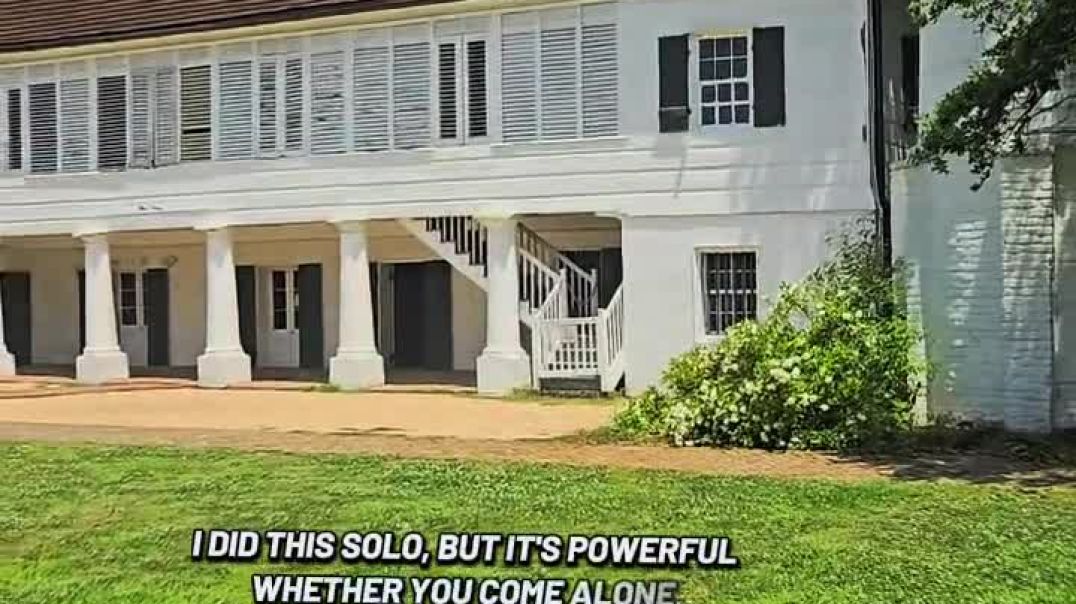
The Marshall Plantation. Before emancipation, the property was known as the Marshall Plantation. At the time, it lay within Abbeville County; Greenwood County would not be established until 1897. In 1869, during Reconstruction, the South Carolina Land Commission acquired approximately 2,742 acres of the former plantation. The commission divided the property into about 50 lots, each generally containing about 50 acres, and offered the land for sale to freed African Americans.
This was not a free land giveaway. The purchasers entered into agreements requiring them to pay for their property. The community’s name reportedly came from their promise to pay the state for the land they sought to claim as their own.
Building Promised Land. Beginning around 1870, Black families established homes and farms on the former plantation. By 1872, historical accounts indicate that about 48 families were living in the settlement. They cleared and cultivated the land, raised children, built institutions, and created a community founded on Black ownership rather than white control.
For people only recently released from hereditary enslavement, owning land meant far more than merely holding property. Land could provide food, shelter, income, independence, political influence, and something the plantation system had deliberately denied: the ability to determine what would be passed to the next generation.
The families of Promised Land were converting freedom from a legal declaration into a material reality. Why Land Ownership Mattered The federal promise commonly remembered as “40 acres and a mule” was never broadly fulfilled. Although some freed families temporarily received land during and immediately after the Civil War, much of it was later returned to former Confederates. Across the South, Black families were pushed into sharecropping and tenant farming systems that often trapped workers in debt and preserved the economic power of white landowners.
South Carolina’s Reconstruction government established the Land Commission to acquire large properties and subdivide them for purchase by landless residents, especially formerly enslaved people.
The program suffered from corruption, political opposition, inflated prices, and financial problems. Yet communities such as Promised Land demonstrate that Black families were sometimes able to use the commission to secure property despite those failures.
The Marshall property therefore embodies both the possibilities and the limitations of Reconstruction. The Plantation Did Not Disappear—Its Meaning Changed. It would be misleading to portray this story as a benevolent government simply handing a plantation to formerly enslaved families. The buyers assumed financial obligations. They had to establish farms, make payments, support their households, and defend their claims amid intense white resistance to Black advancement.
Their achievement was not merely gaining access to land. Their achievement was purchasing, cultivating, preserving, and passing down property in a society that had spent generations treating Black people as property. They took land once organized around forced labor and rebuilt it around Black family life, ownership, and community.
A Legacy That Survived
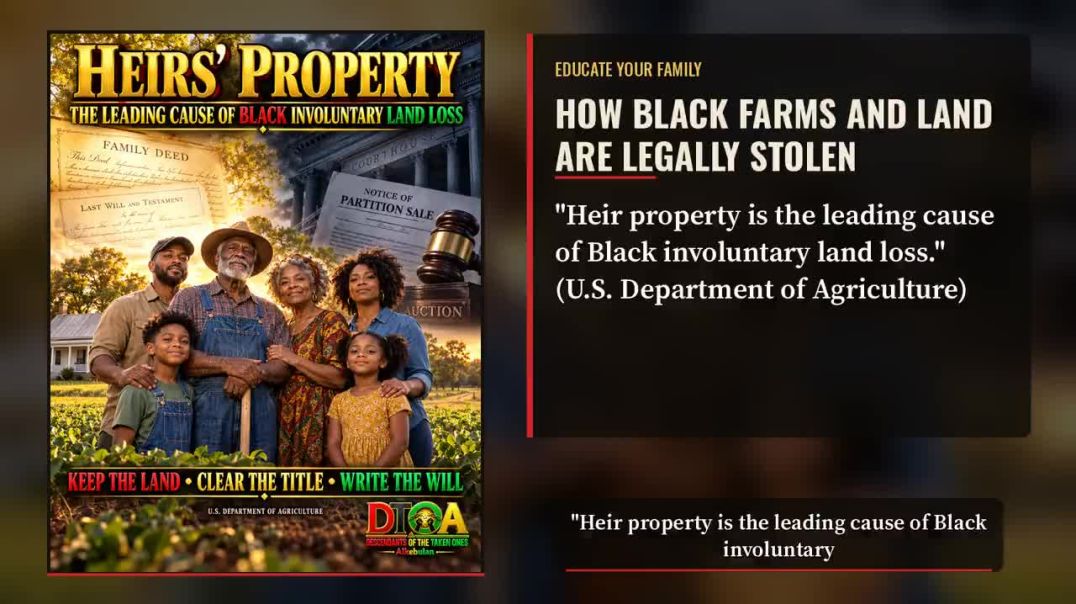
Promised Land endured. Descendants of its early settlers continued to live on portions of the original acreage into the twenty-first century. The community remains recognized in Greenwood County today. That continuity matters because Black landownership declined dramatically during the twentieth century due to discriminatory lending, racial violence, tax sales, partition actions involving heirs’ property, and other forms of dispossession.
Promised Land survived because families held onto more than soil. They preserved a collective memory of what their ancestors had built. Separating History From Viral Mythology. Online retellings sometimes inflate the size of the Marshall property, describing it as containing more than 200,000 acres. Reliable historical accounts identify it as approximately 2,742 acres.
The difference does not diminish the story. Fifty-acre farms purchased by dozens of families emerging from slavery were extraordinary without exaggeration. Their accomplishment deserves to be remembered accurately.
The DTOA Perspective
The history of Promised Land is not simply the story of a former plantation. It is the story of Black families who transformed emancipation into ownership. Their ancestors had been forced to cultivate land they could never own. After slavery, their descendants worked to purchase that land, build homes on it, and create an inheritance for generations they might never live to see.
They did not wait for freedom to be complete. They bought it acre by acre, cultivated it season by season, and defended it generation after generation. The Marshall Plantation represented the power to own people. Promised Land represented the power of formerly enslaved people to own their future.
We are the Descendants of the Taken Ones, preserving the history of those who turned survival into an inheritance.
Sources
• South Carolina Public Radio — “P” Is for Promised Land
• National Park Service — The Rise and Fall of the Freedmen’s Bureau
• Yes for Greenwood — Promised Land: A Place to Call Home
• Carol K. Rothrock Bleser, The Promised Land: The History of the South Carolina Land Commission, 1869–1890 (University of South Carolina Press, 1969)










2 Comments
cliprize
16 days agoCopuffs843
1 month agoTobe Sweeney Jr.
1 month ago