
46 Views· 09/30/26· Black History
The Kandakes — Warrior Queens of Kush

The Kandakes — Warrior Queens of Kush
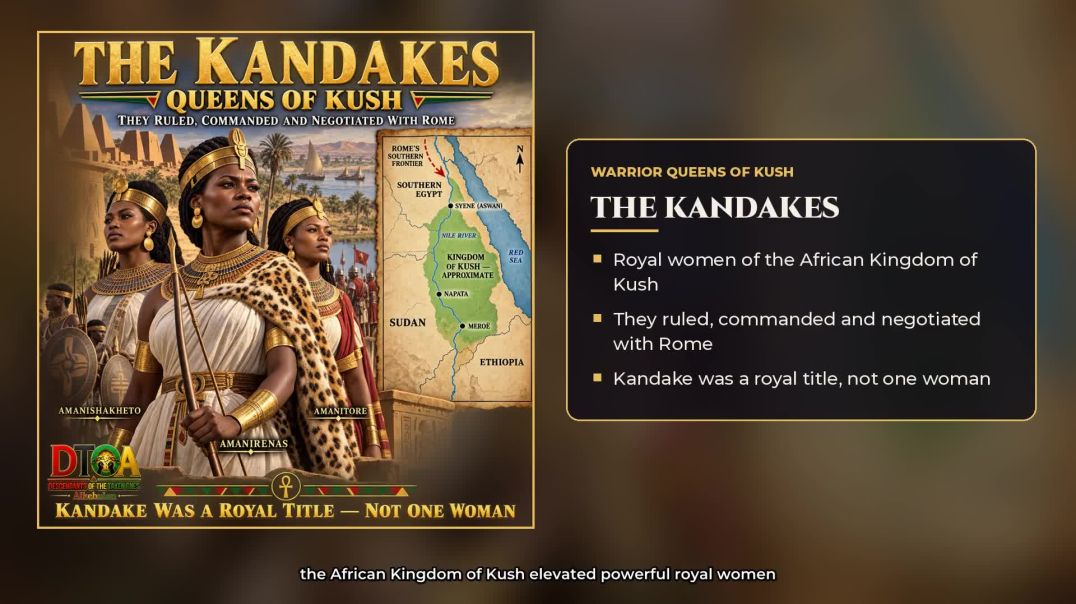
Long before the modern world debated whether women could lead nations or command armies, the African Kingdom of Kush elevated powerful royal women known as Kandakes.
“Kandake”—rendered by Greek and Roman writers as Candace—was a Kushite royal title, not the name of a single woman. It could denote a queen, queen mother, or female ruler, depending on the period. Although several Kandakes ruled directly, historians cannot confirm that every woman who held the title personally commanded soldiers. The most celebrated was Kandake Amanirenas, who ruled from approximately 40 to 10 BCE. After Rome conquered Egypt, Kushite forces attacked Roman positions in southern Egypt around 25 BCE. Ancient accounts associate Amanirenas with the conflict, in which the Kushites captured several cities and carried off a bronze head of Emperor Augustus.
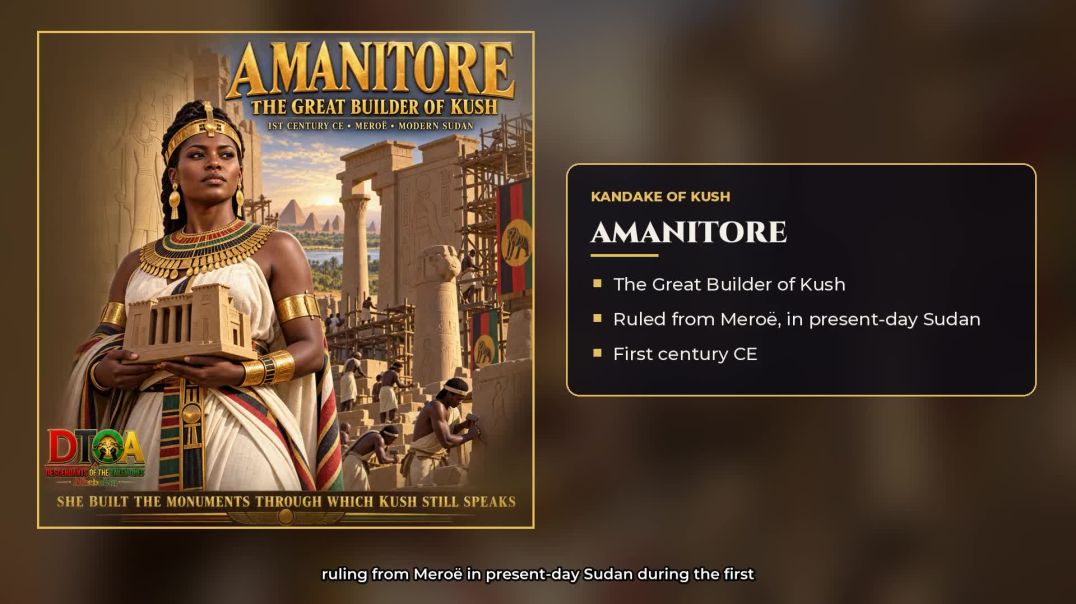
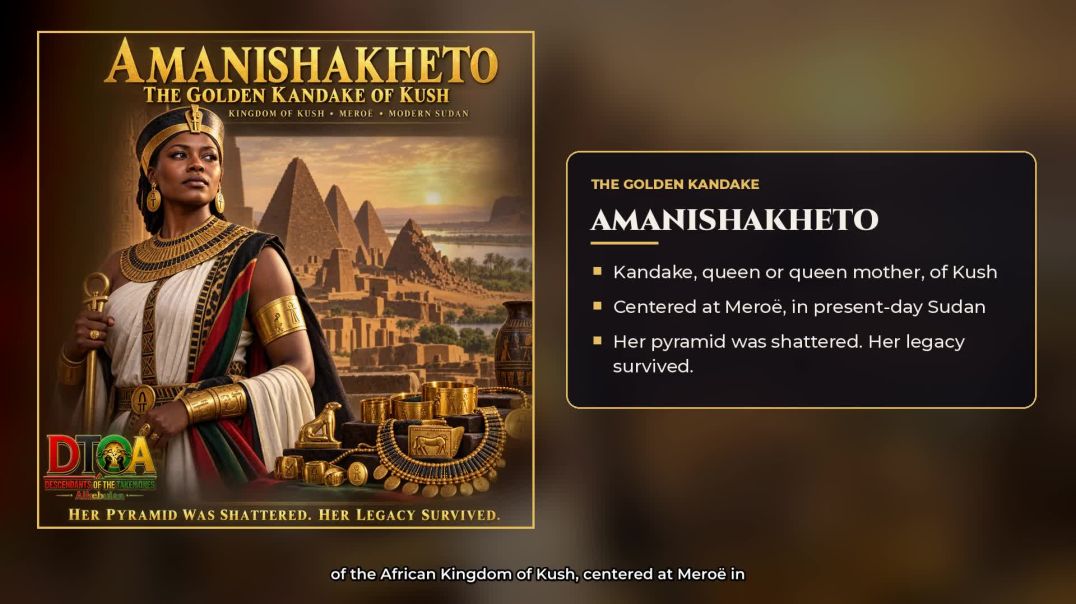
Rome counterattacked and briefly occupied Napata, but Kush was not absorbed into the Roman Empire. Around 21/20 BCE, Amanirenas’ representatives negotiated a peace agreement with Augustus. Rome withdrew its forces, moved the frontier north, and reportedly removed the tribute it had demanded from Kush. Other prominent Kushite royal women included Amanishakheto, remembered for her monuments and royal jewelry, and Amanitore, whose reign with Natakamani marked a period of extensive temple construction and prosperity.
The Kandakes were not supporting characters in someone else’s civilization. They belonged to an independent African kingdom with its own cities, pyramids, writing, religious traditions, and international diplomacy.
Rome arrived expecting submission. Kush responded with resistance and negotiated its own peace. Google Arts & Culture: Queen Amanirenas | BlackPast: Kandake Amanirenas
Thank you for your time. To support the channel, please like, share, and subscribe, and pass this along to your family and friends. Remember: information kept to yourself is lost over time, but shared information becomes enduring knowledge. People who lose control of their history can be led to believe they never contributed anything.















![Choppa City Queens [2023] 1080p](https://theblacktube.com/upload/photos/2025/02/UgRBMMXqtdiwxvnNXAL6_06_d23f3216e038980d9b3cf6106505d704_image.jpg)


1 Comments
cliprize
19 days ago