
214 Views· 09/15/26· Black History
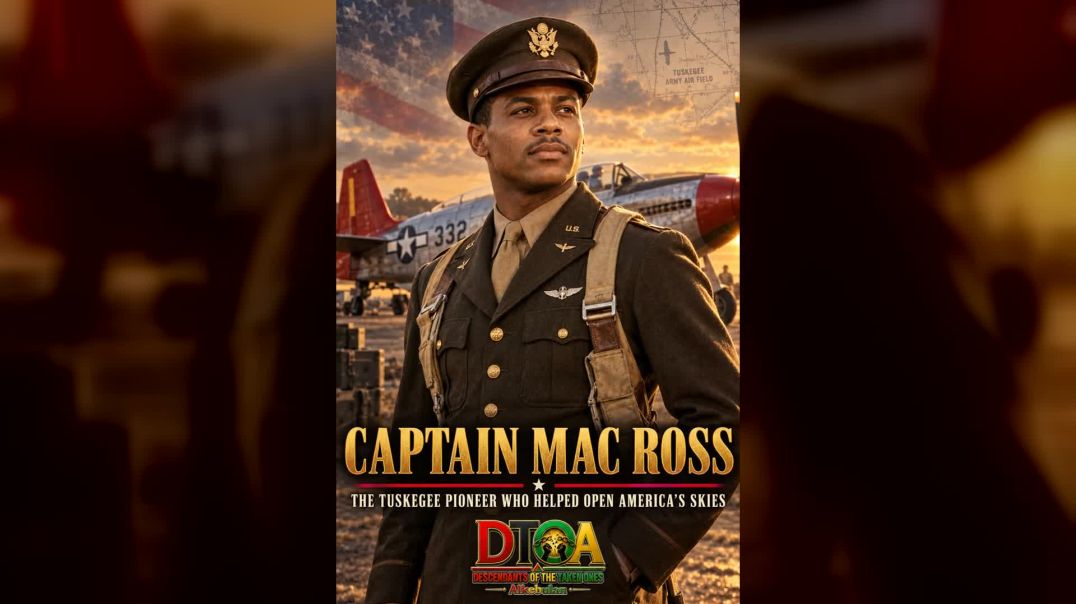
Captain Mac Ross — The Tuskegee Pioneer Who Helped Open America’s Skies

Captain Mac Ross — The Tuskegee Pioneer Who Helped Open America’s Skies
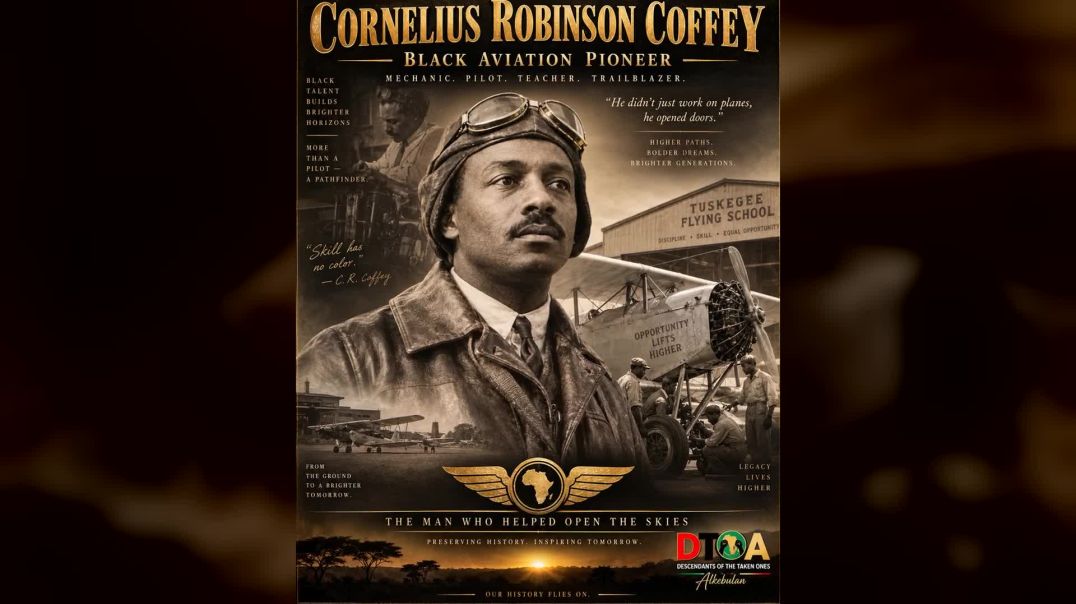
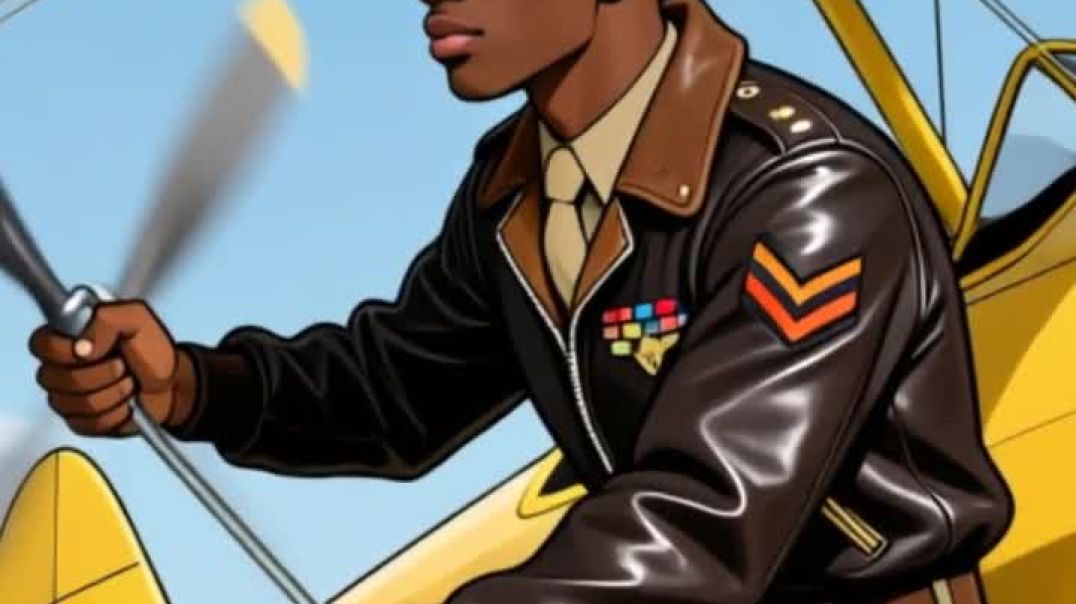
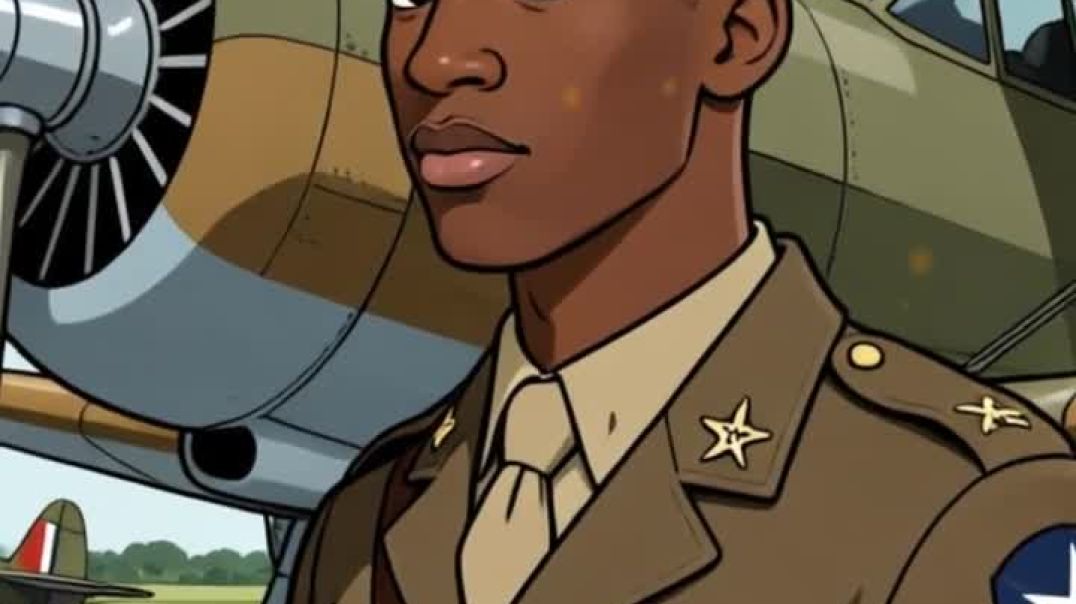
Before the legendary Red Tails entered combat, Captain Mac Ross was among the courageous Black aviators proving that the barriers surrounding America’s military skies could be broken.
Born in rural Dallas County near Selma, Alabama, in 1912, Ross grew up during an era of racial violence and legalized segregation. His family eventually relocated to Dayton, Ohio, partly because his father wanted his sons to escape the constant threat of lynching in the South.
Ross graduated from Roosevelt High School and earned a degree in mechanical arts from West Virginia State College in 1940. While attending the historically Black college, he participated in its Civilian Pilot Training Program, one of the programs that prepared Black students for aviation careers.
When the United States Army began its experimental training program for Black military pilots at Tuskegee, Ross was selected for the inaugural aviation-cadet class.
On March 7, 1942, Ross stood beside Benjamin O. Davis Jr., Charles DeBow, Lemuel R. Custis and George S. Roberts as they received their pilot wings. Together, these five men became the first Black pilots to complete the Army Air Corps program at Tuskegee. Their achievement directly challenged the racist claim that Black men lacked the intelligence, courage or ability to operate military aircraft. Tuskegee Airmen Inc.
Ross understood how much pressure rested upon them. During training, his P-40 caught fire in the air, forcing him to parachute to safety. He feared the accident would be blamed on him and used as supposed proof that Black men could not fly. Investigators determined that mechanical failure—not pilot error—caused the emergency.
Ross later became the first commanding officer of the 100th Fighter Squadron and served as operations officer for the 332nd Fighter Group. These were significant leadership responsibilities at a time when many white military officials still opposed allowing Black officers to command combat units.
During World War II, Ross served in the Mediterranean and European theaters and completed more than 50 combat missions. He was not merely participating in history—he was helping build the foundation upon which the Tuskegee Airmen’s celebrated combat record would stand.
Ross also found love at Tuskegee. In 1943, he married Lieutenant Abbie Voorhies, a Black Army nurse stationed at Tuskegee Army Air Field. Their marriage joined two people serving a country that continued to deny them full equality.
On July 10, 1944, Captain Mac Ross was killed when the P-51 Mustang he was flying crashed near Foggia, Italy. He was buried at the Sicily-Rome American Cemetery in Italy. He was the only member of Tuskegee’s original five graduating pilots who did not return home from the war.
Captain Mac Ross helped prove that Black aviators belonged in America’s military cockpits and command positions. His leadership prepared the way for the pilots who followed, while his sacrifice reminds us that the Tuskegee Airmen fought two wars simultaneously: one against fascism overseas and another against racism within their own country.
Ross never lived to witness the desegregation of the United States Armed Forces in 1948. But his courage helped make it unavoidable.
We are the Descendants of the Taken Ones, and we remember Captain Mac Ross—not simply as one of the first Tuskegee Airmen, but as a commander, pioneer and American hero who helped open the skies for every Black aviator who followed.To support the channel, please click the like button and subscribe to receive new videos










2 Comments
cliprize
23 days agoJOSEPH ELISHA
1 month ago